Clean Label Supplements: What to Look For and What to Avoid
Why the Label on Your Supplement Matters More Than You Think
If you've spent any time in a health store or scrolling through wellness content lately, you've probably noticed the phrase 'clean label' appearing everywhere. But behind the marketing language lies a genuinely important concept, one that matters especially for women in their 40s, 50s and beyond who are paying closer attention to what they put into their bodies.
Clean label supplements are products formulated with a short, recognizable ingredient list, no unnecessary fillers, no artificial additives, and a commitment to transparency about sourcing and dosing. That's the ideal. The reality, however, is that the term itself is unregulated. Any brand can print it on a jar. So understanding what it actually means in practice is the first step toward making smarter choices.
What 'Clean Label' Actually Means
At its core, a clean label product is one where every ingredient serves a clear purpose and where nothing is hidden behind vague terms like 'proprietary blend.' According to a 2019 report published in the journal Comprehensive Reviews in Food Science and Food Safety, consumer demand for clean label products has risen sharply over the past decade, driven by a desire for simplicity, safety and trust in what goes into the body.
For supplement shoppers, clean label generally means:
- Ingredients are fully disclosed with exact amounts
- No artificial colors, flavors or preservatives
- No unnecessary binders, fillers or flow agents
- Sweeteners, if used, come from recognizable natural sources
- Third-party testing or quality certifications are available
It does not automatically mean organic, allergen-free or vegan, though many clean label products do prioritize those qualities as well.
Ingredients to Avoid on a Supplement Label
Reading a supplement label is a skill. Once you know what to look for, certain ingredients become easy red flags. Here are the most common ones worth questioning.
Artificial Sweeteners and Sugar Alcohols
Sucralose, aspartame and acesulfame potassium are frequently used to make powdered supplements palatable without adding sugar. Research published in Cell (Suez et al., 2022) found that non-nutritive sweeteners including sucralose and saccharin can alter gut microbiome composition in some individuals. For women navigating perimenopause or post-menopause, when gut health is already a priority, this is worth noting.
Erythritol and other sugar alcohols can cause digestive discomfort in sensitive individuals and have been associated in some emerging research with cardiovascular concerns, though the evidence is still developing. Stevia is generally considered well-tolerated, though some formulas rely on it heavily, producing a bitter aftertaste.
Proprietary Blends
When a label lists a 'blend' without disclosing individual ingredient amounts, you have no way of knowing whether you're getting a meaningful dose of the active ingredients or just trace amounts. This practice, sometimes called 'fairy dusting,' is one of the most common ways brands obscure underdosed formulas behind appealing ingredient lists.
Titanium Dioxide and Synthetic Dyes
Titanium dioxide is used as a whitening agent in capsule coatings and powders. The European Food Safety Authority restricted its use as a food additive in 2021, citing concerns about genotoxicity. While the FDA has not taken the same position, many consumers and brands are moving away from it as a precautionary measure.
Artificial dyes like Red 40 and Yellow 5 offer no nutritional benefit. Their presence in a supplement is a straightforward signal that the formulation prioritizes appearance over purity.
Magnesium Stearate and Silica in Excess
Small amounts of flow agents like magnesium stearate or silica are sometimes necessary in capsule manufacturing. However, when they appear high on an ingredient list, it can indicate a formula built around processing convenience rather than efficacy.
What to Look For Instead
Knowing what to avoid is only half the equation. Here is what a genuinely thoughtful supplement label looks like.
Full Ingredient Disclosure
Every ingredient should be listed with its exact amount per serving. If an active ingredient is a trademarked form, such as a standardized extract or a patented compound, that detail should be clearly named. This signals that the brand selected that specific form intentionally, not interchangeably.
Recognizable Sweeteners in Reasonable Amounts
If a product is flavored, monk fruit is among the cleanest options available. It provides sweetness without impacting blood sugar and has a long history of use in traditional Chinese medicine, with a safety profile that is well-regarded in the scientific literature.
Minimal Processing Aids
A clean formula uses only what is necessary. When you see a long list of compounds you cannot pronounce after the active ingredients, that's a sign the formulation has been over-engineered for shelf life or manufacturing ease rather than your benefit.
Sourcing Transparency
Brands that care about clean labeling tend to name their ingredient suppliers or use trademarked ingredient forms that come with documented sourcing and clinical backing. This is not just a marketing detail. It reflects a supply chain that has been thought through carefully.
Why This Matters More After 40
Women in perimenopause and after menopause often find that their relationship with supplements changes. Digestive sensitivity can increase. Sleep quality becomes more precious. Energy and mood feel less predictable. In this context, what you're not taking becomes as important as what you are.
A supplement with unnecessary additives, questionable sweeteners or hidden dosing is simply a less reliable tool. When your goal is genuine support for how you feel day to day, a cleaner formula gives you a clearer picture of what is actually working.
This is also a stage of life when many women are managing multiple supplements or medications simultaneously. Reducing the load of unnecessary compounds is not just a preference. It's a practical step toward knowing exactly what you're putting in your body and why.
How GLOWIS Approaches Clean Label Formulation
At GLOWIS, the clean label commitment is built into how every product is conceived, not added as a finishing touch. That means starting with a clear purpose for each formula, selecting ingredients with documented quality, disclosing everything on the label and stopping there.
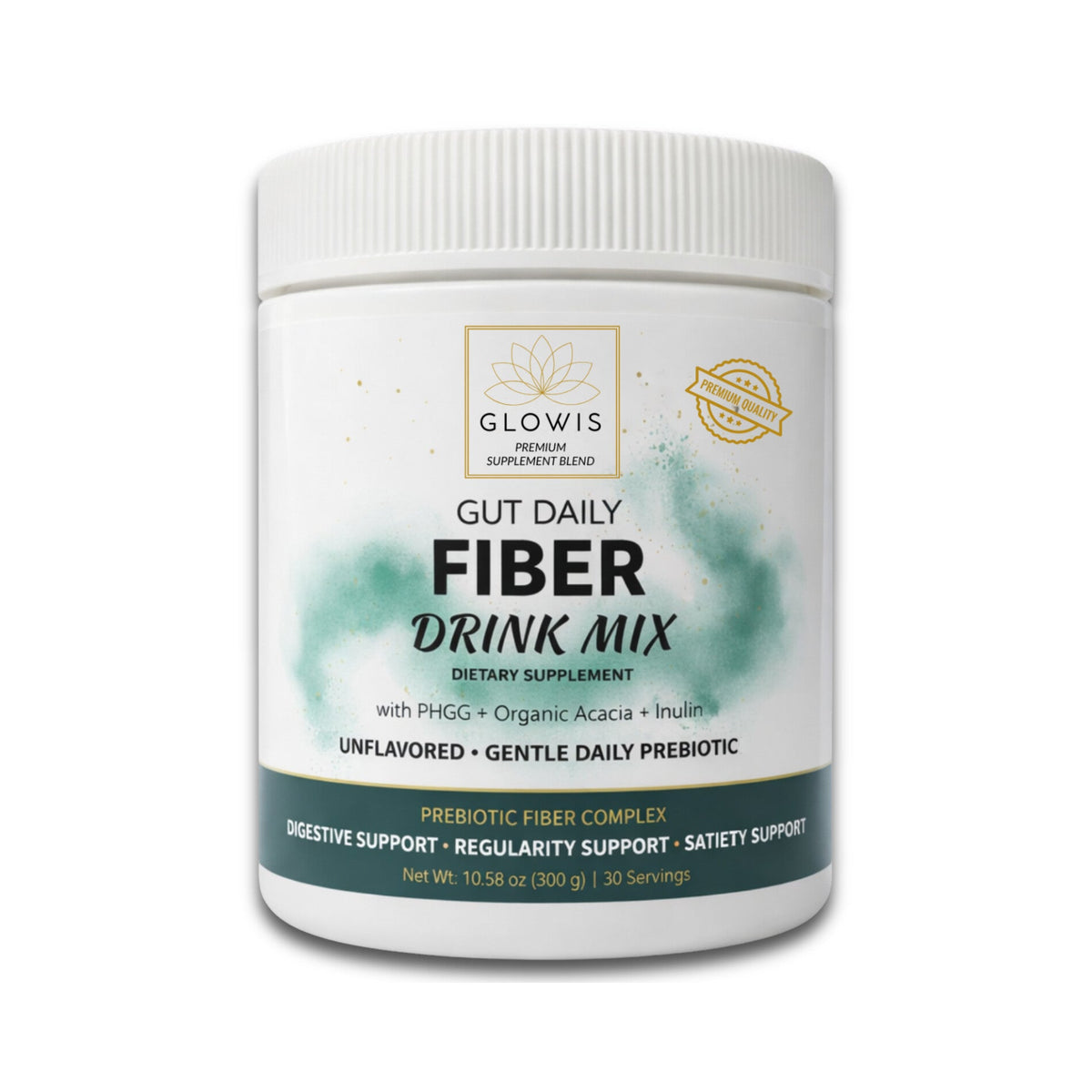
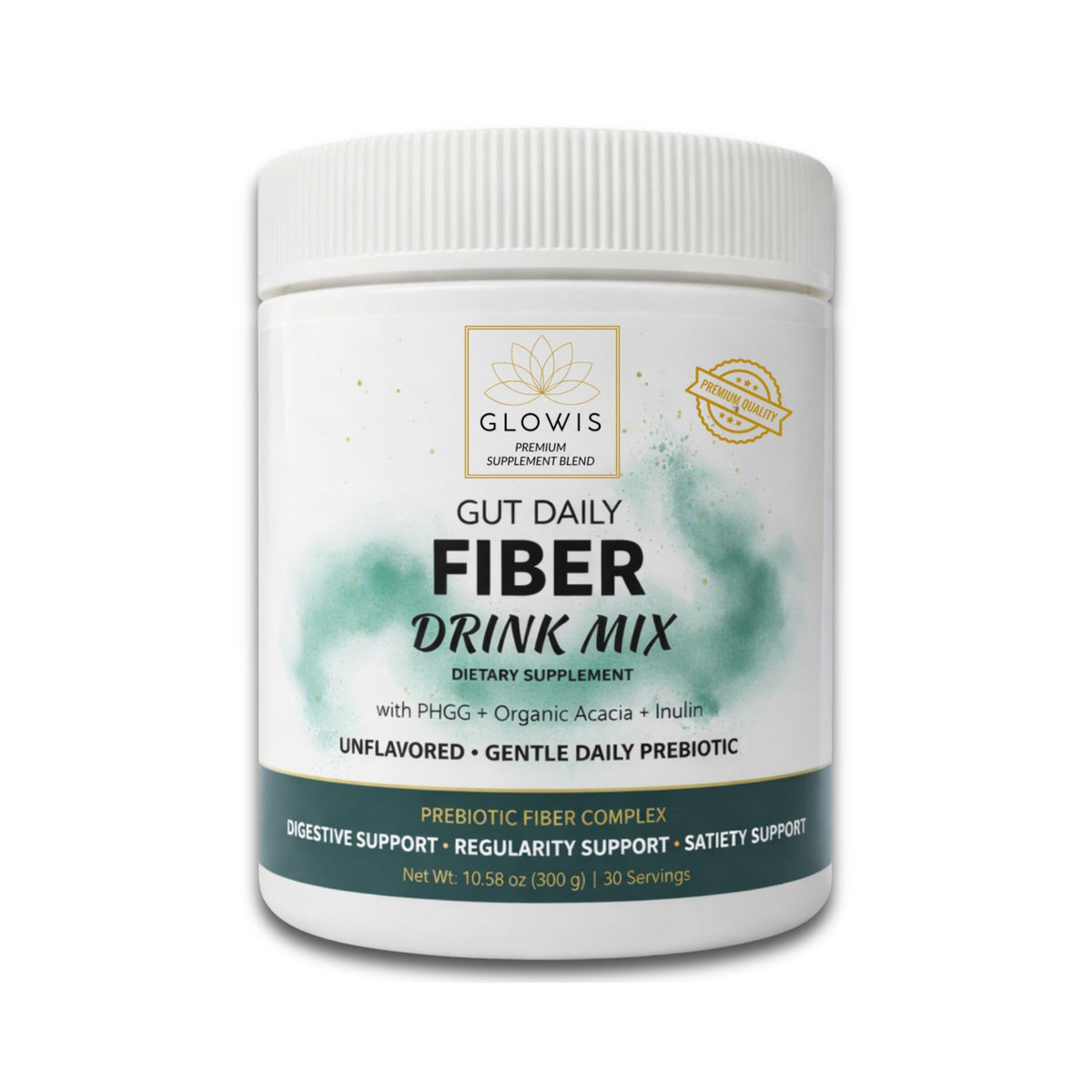
Take Gut Daily Fiber as one example. It contains three ingredients: PHGG (Sunfiber), acacia and inulin. Each is a soluble prebiotic fiber with its own body of research. The formula delivers 8 grams of prebiotic fiber per serving. There are no sweeteners, no flavors, no fillers. You know exactly what you're getting and exactly how much.†
Or consider Magnesium Night Calm, a melatonin-free evening formula built around magnesium glycinate and L-theanine. The flavoring is natural Tart Cherry Lemonade. There is no long list of additives, no synthetic sweeteners, no sleep-claim overreach. Just two well-researched ingredients in a form designed to support relaxation and restful sleep as part of a nightly ritual.†
This is what clean label looks like in practice: a short list, a clear purpose, full transparency.
Reading Labels With Confidence
The supplement aisle, whether physical or digital, can feel overwhelming. But once you know the signals of a genuinely clean formula versus one that simply uses the language, the process becomes much more straightforward.
Look for full disclosure. Question proprietary blends. Check the sweetener. Ask whether you recognize every ingredient and whether it serves a clear function. And consider whether the brand explains its choices, not just lists them.
For more guidance on building a supplement routine that actually works for this stage of life, explore our articles on building a morning wellness routine, choosing a fiber supplement without bloating and understanding prebiotic fiber types. And if sleep support is your current priority, the truth about melatonin-free sleep supplements is a good place to start.
A cleaner supplement routine is not about perfection. It's about making informed choices that reflect what your body actually needs, without the noise.
† These statements have not been evaluated by the Food and Drug Administration. This product is not intended to diagnose, treat, cure, or prevent any disease.